How to find the best logistics provider for your business and what to avoid

Picking the right logistics provider can feel like a daunting task. With so many options out there, it's easy to get overwhelmed. But don't worry, we're here to help you sort through the noise. Whether you're a small business or a large corporation, finding a logistics team that fits your needs is crucial. This guide will walk you through what to look for and what to avoid when choosing a logistics partner.
Key Takeaways
Understand your business needs before choosing a provider.
Evaluate the provider's technology and service offerings.
Prioritize flexibility and scalability in logistics solutions.
Ensure reliability and on-time performance.
Focus on cost-effectiveness and transparent pricing.
Understanding Your Business Needs
Identifying Key Logistics Requirements
Before jumping into the logistics provider hunt, take a step back and really think about what your business needs. What are the must-haves for your logistics operations? Is it fast delivery times, reliable customer service, or maybe specialized handling for your products? Make a list of these requirements so you know what you're looking for.
Fast delivery times
Reliable customer service
Specialized handling for products
Assessing Current and Future Needs
It's not just about what you need now, but also what you'll need in the future. Think about where your business is headed. Are you planning to expand to new regions or launch new products? Your logistics provider should be able to grow with you, not hold you back. Look for a partner that can adapt to your evolving needs.
Aligning Logistics with Business Goals
Your logistics strategy should be in sync with your overall business goals. If you're aiming for sustainability, for instance, you'll want a provider that prioritizes eco-friendly practices. Or if your focus is on cost reduction, you'll need someone who can offer competitive pricing without cutting corners. Aligning your logistics with your business strategy ensures that every part of your operation is working towards the same objectives.
Remember, the right logistics provider isn't just a service vendor—it's a partner in achieving your business goals. Choosing wisely can make all the difference in reaching those targets.
Evaluating Provider Capabilities
Choosing the right logistics provider means taking a close look at what they can actually do for you. It's not just about moving stuff from point A to B. Let's break it down:
Assessing Technological Integration
When you're picking a logistics partner, check out their tech game. Do they have systems that can hook up with yours? This is big because it means smoother operations and fewer headaches down the road. Look for things like:
Integration capabilities with your current systems
Use of real-time tracking tools
Data analytics for better decision-making
Understanding Service Offerings
Every business has its own set of needs, and not all logistics providers are built the same. Make sure they offer services that match what you're looking for. Ask questions like:
Can they handle your current and future volume?
Do they offer specialized services for your industry?
How do they manage inventory and shipping?
Evaluating Track Record and Experience
You don't want to be someone's guinea pig. Check how long they've been in the game and what kind of reputation they've built. A provider with a strong track record is likely to be more reliable. Consider:
Their history with clients similar to your business
Reviews and testimonials from past customers
Any industry awards or recognitions they've received
Picking a logistics provider is like choosing a business partner. Their strengths and weaknesses will directly impact your operations, so choose wisely.
Prioritizing Flexibility and Scalability
In today's fast-paced business world, flexibility and scalability are not just nice-to-haves but necessities. As your business grows and the market changes, your logistics provider should be able to adapt without missing a beat. Here's how to ensure your provider can keep up:
Adapting to Market Changes
A logistics provider must be agile enough to respond to shifts in the market. This means having a large network and innovative technology that can adjust to your business's evolving needs. Consider a provider that can offer logistics warehouses focusing on flexibility. This ensures you can handle fluctuations in demand efficiently.
Handling Seasonal Demands
Seasonal peaks can be challenging. Your logistics partner should manage increased demand during busy times and scale back during slower periods. Look for a provider with a proven track record in managing seasonal variations without compromising on service quality.
Ensuring Long-term Growth
For long-term success, your logistics partner should support your growth ambitions. This means offering scalable solutions that grow with your business. A provider that invests in technology and infrastructure will help you maintain operational efficiency and meet client demands as your company expands.
A logistics provider that can scale with your business is like having a reliable friend who’s always ready to help, no matter what comes your way. This partnership is vital for achieving sustainable growth and navigating the ups and downs of the marketplace.
Ensuring Reliability and On-Time Performance
Checking Historical Performance
When choosing a logistics provider, it's crucial to look at their past performance. A solid track record of on-time deliveries is a must. This history shows they can handle your needs, even when things get tricky. Ask for data on their delivery times and how they deal with late shipments.
Evaluating Crisis Management
In logistics, things don't always go as planned. How a provider handles crises can make or break your business. Look for those who have clear strategies for unexpected events. Do they have backup plans? Can they reroute shipments quickly if needed? These are the questions you need to ask.
Ensuring Consistent Communication
Communication is key in logistics. A provider should keep you in the loop at every step. This means regular updates and being reachable when you need them. Providers that invest in technology for real-time tracking and updates are often more reliable. They help you stay informed and make better decisions.
Reliability isn't just about getting packages from point A to B. It's about trust. You want a partner who stands by their word, even when challenges arise.
For more on selecting a reliable partner, check out our top 10 criteria for selecting an ideal logistics partner.
Focusing on Cost-Effectiveness and Value
Choosing the right logistics provider isn't just about finding the lowest price. It's about getting the best value for your money, which means balancing cost with quality.
Balancing Cost with Quality
When considering a logistics provider, it's essential to weigh the cost against the quality of service offered. A low price might be tempting, but it could lead to poor service that affects your bottom line. Think about the total cost—not just the upfront fees but also the potential hidden costs of delays, errors, or poor service.
Negotiating Transparent Pricing
Transparency in pricing is crucial. Ensure you understand what you're paying for and that there are no hidden fees. Ask for a detailed breakdown of costs and negotiate terms that are clear and fair. This will help avoid surprises and ensure you're getting what you pay for.
Avoiding Hidden Fees
Hidden fees can quickly turn a good deal into a costly mistake. Be vigilant about understanding all potential charges. Discuss with your provider any possible additional fees and get them in writing. This clarity can prevent misunderstandings and protect your budget.
In logistics, the cheapest option isn't always the best. It's about finding a provider that offers a balance of cost and quality, ensuring your business runs smoothly without unexpected expenses.
By focusing on these aspects, you can ensure that your logistics partner not only fits your budget but also supports your business goals effectively. Remember, the right aerial logistics solution can offer significant cost savings while enhancing service quality.
Building a Strong Partnership
Aligning Cultural Values
Creating a successful partnership with a logistics provider is more than just business transactions. It’s about aligning cultural values. When your logistics partner shares your company's core beliefs, especially in areas like sustainability and customer service, it can lead to long-term efficiency. Think of it as a shared vision where both parties are on the same page, working towards common goals.
Sustainability: Ensure the provider has environmentally friendly practices.
Customer Service: Their approach should mirror your dedication to customer satisfaction.
Community Engagement: They should be a positive force in their community.
Fostering Open Communication
Communication is the backbone of any strong partnership. Regular, transparent communication helps in addressing issues promptly and ensures that both parties are always updated. It’s not just about talking; it’s about listening too.
Regular Meetings: Schedule consistent check-ins to discuss ongoing projects and future plans.
Feedback Loops: Establish a system for both parties to give and receive constructive feedback.
Crisis Handling: Have clear protocols for communication during emergencies.
A logistics partnership thrives on open dialogue. The more you communicate, the better you understand each other's needs and expectations.
Ensuring Mutual Growth and Success
A partnership should be mutually beneficial. Both parties should see growth and success as a result of their collaboration. This means setting shared objectives and celebrating achievements together.
Joint Ventures: Explore opportunities where both can benefit and grow together.
Shared Goals: Set targets that are beneficial for both parties.
Celebrate Successes: Acknowledge and celebrate milestones and achievements.
By focusing on these aspects, you can create a partnership that not only supports your business needs but also contributes to a reliable logistics provider relationship that can weather any storm.
Leveraging Technology for Efficiency
Utilizing Real-Time Tracking
In today's fast-paced world, keeping an eye on your shipments is more important than ever. Real-time tracking allows businesses to monitor their goods as they move from point A to point B. This visibility helps in reducing delays and provides peace of mind. With real-time updates, customers stay informed, and companies can quickly address any hiccups along the way.
Implementing Predictive Analytics
Predictive analytics is like having a crystal ball for your logistics operations. By analyzing historical data, businesses can anticipate future trends and demands. This means you can plan better, allocate resources more efficiently, and ultimately save money. Plus, it helps in identifying potential issues before they become major problems, ensuring smoother operations.
Enhancing Decision-Making Processes
Technology plays a big role in how decisions are made today. With the right tools, businesses can gather and analyze data faster than ever. This leads to more informed decisions, which can boost efficiency and productivity. Whether it's choosing the best shipping route or deciding on inventory levels, having access to accurate data is crucial.
Embracing technology isn't just about keeping up with the competition. It's about staying ahead and making your logistics operations as smooth and efficient as possible.
Conclusion
Finding the right logistics provider for your business isn't just about picking the first name that pops up. It's about doing your homework, asking the right questions, and making sure they can handle your needs both now and in the future. Look for a company with a solid track record, one that can adapt to your changing requirements, and offers transparency in their operations. Don't forget to consider their use of technology for tracking and predictions, as this can save you time and money in the long run. Remember, the cheapest option isn't always the best. It's about finding a partner who understands your business and can help you grow. So take your time, weigh your options, and choose wisely.
Frequently Asked Questions
What should I look for in a logistics provider?
Look for a provider with a good track record, flexibility, and the ability to meet your business needs. Make sure they can handle both your current and future demands.
Why is technology important in logistics?
Technology helps with real-time tracking and better decision-making. It ensures your shipments are on time and can reduce costs by optimizing routes.
How can I ensure reliability from my logistics provider?
Check their past performance for on-time deliveries and how they handle problems. A reliable provider will have a strong history of meeting deadlines.
What does flexibility mean in logistics?
Flexibility means the provider can adjust to changes in your business needs, like handling more shipments during busy times or scaling down during slower periods.
How do I balance cost and quality in choosing a provider?
Look for a provider that offers transparent pricing without hidden fees, and make sure the quality of service matches the cost. Sometimes, paying a bit more ensures better service.
Why is a strong partnership important with a logistics provider?
A good partnership means your provider understands your business goals and works with you for mutual growth. This includes sharing similar values and open communication.

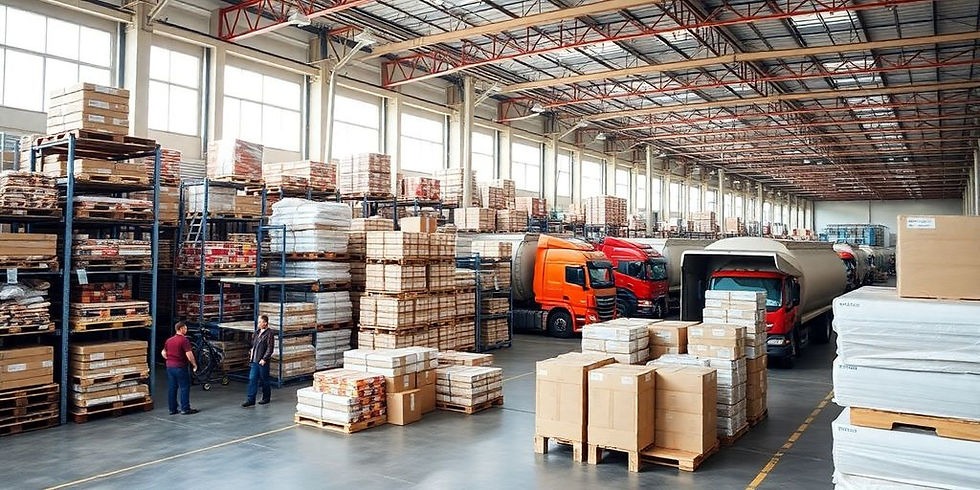

Understanding business needs, checking technology, and evaluating reliability are key when selecting a logistics partner. Flexibility, scalability, and transparent pricing also play a major role in long-term success.
Choosing the Best 3PL Provider comes down to avoiding common mistakes like focusing only on price, ignoring tech capabilities, or overlooking scalability—since these directly impact efficiency and overall supply chain performance.
Choosing the right logistics provider comes down to experience, reliability, and transparency. Checking their track record, technology, delivery performance, and pricing structure can help avoid delays and hidden costs while improving overall efficiency.
That’s why working with trusted Michigan Logistics Companies is important for ensuring smooth operations and long-term business growth. Appreciate the insights shared here. 👍